One night
A show is not just a ticket sale. It can also mean drinks, food, return visits and follow-up.
HOSPITALITY, CRAFT BEVERAGE AND LIVE ENTERTAINMENT
The Foundry could count tickets and see bar sales. The harder question was whether a show created the kind of business worth doing again.
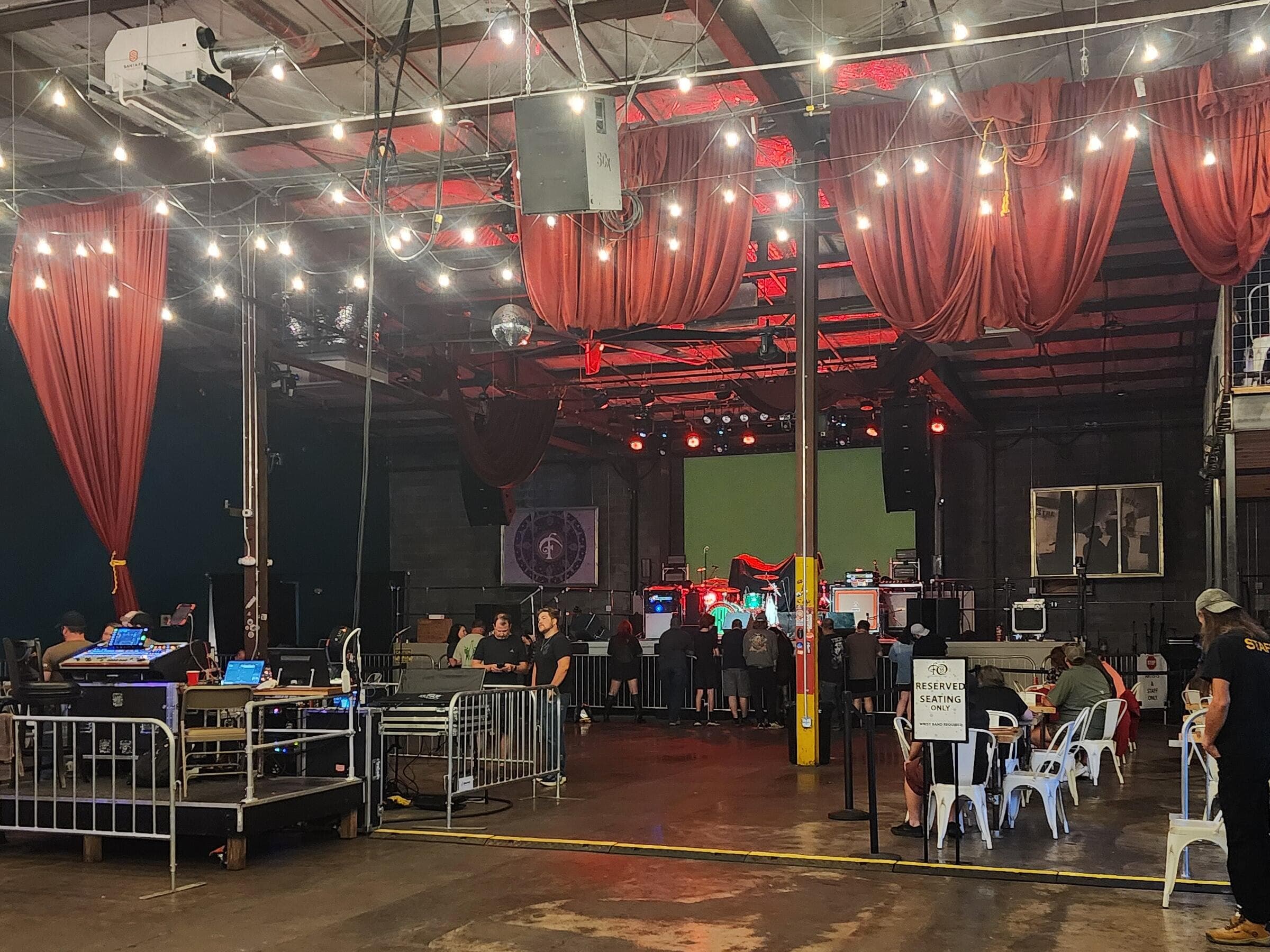
A show is not just a ticket sale. It can also mean drinks, food, return visits and follow-up.
The box office, bar, kitchen, customer list and ad spend each told part of the story.
The operator needed to know what happened with the show, not what each tool said.
The Foundry is part of the Basic City campus in Waynesboro, Virginia. A guest can buy a ticket, walk onto the property, order a drink, get food and keep spending after the show starts.
That makes the night bigger than the box office. A full room may feel like a win, but the owner still has to know what the audience did after it got through the door.
To the guest, it was one night. To the software, it was scattered records. That is where the owner can get stuck: busy does not always mean worth repeating.
The ticket told one piece of the night. The bar, food, customer list and ad spend told other pieces.
The owner could see activity everywhere and still have to stitch the answer together by hand: who came, what else they bought and whether the show was worth chasing again.
Without that answer, the next call is partly a guess. Which artist should come back? Which audience is worth paying to reach? Which busy night is fooling you?
The owner could stop asking, "What does each tool say?" and start asking, "What happened with this show?"
A show could be judged by more than ticket count: who came, what they spent after arriving, what it cost to reach them and what was still unknown.
The work did not prove a profit lift or claim the event made more money because of the system. It made the next booking, marketing and follow-up decision less dependent on guesswork.
A full room is not the same as a good event. If the owner has to assemble the truth by hand after every night, the business still does not have the answer.